- Originated from the Bugis and Makassar people of Sulawesi.
- Crafted using traditional wooden shipbuilding techniques.
- Now popular for luxury cruises and diving experiences.
The Origins of Phinisi Boats
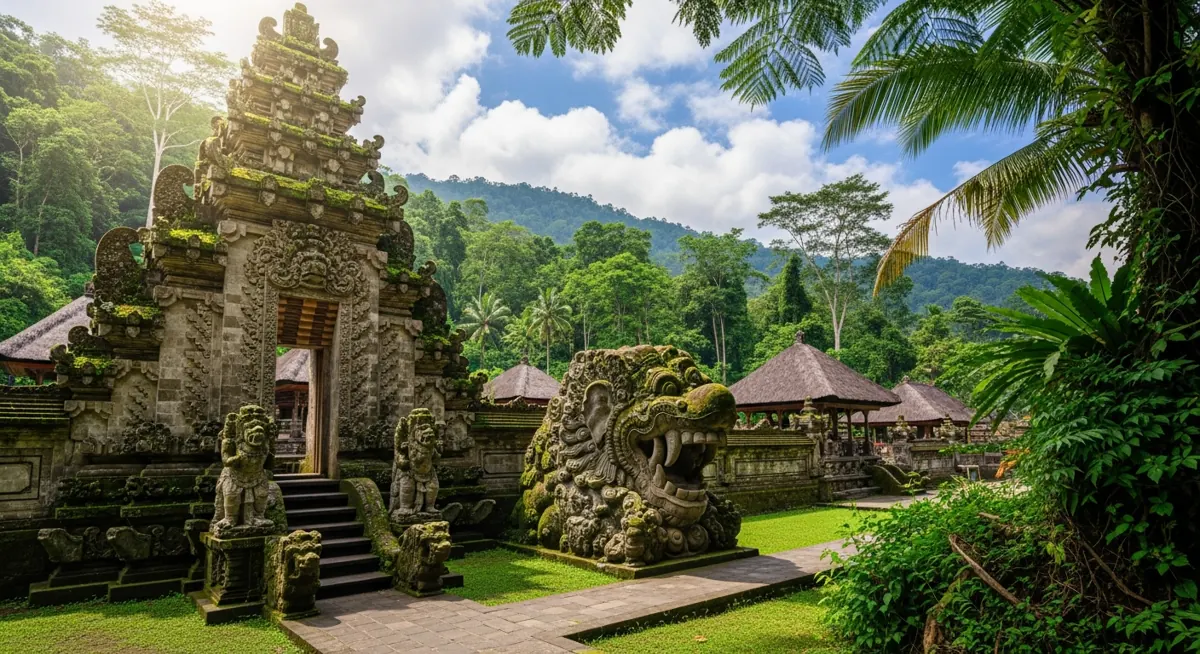
Indonesian phinisi boats are rooted in the maritime traditions of the Bugis and Makassar people from Sulawesi. Originating over a thousand years ago, these vessels were designed for seafaring, trade, and fishing. The design of the phinisi has evolved, yet it retains its traditional wooden construction and distinctive two-masted silhouette. Originally, these boats were made from a variety of hardwoods, with local craftsmanship passed down through generations. The construction of a phinisi typically takes several months and relies heavily on the skills of master shipbuilders.
Construction Techniques
Traditional phinisi boats are renowned for their craftsmanship. The building process involves several key steps:
- Material Selection: Local hardwoods such as ironwood and teak are preferred for their durability.
- Design: The design varies but generally features a characteristic curved bow and stern, enhancing stability at sea.
- Handcrafted Elements: Artisans create intricate carvings and details, often incorporating cultural motifs.
The construction not only reflects functionality but also embodies cultural significance. Each boat tells a story, often decorated with carvings that symbolize the owner’s lineage or aspirations.
Phinisi in Maritime Trade
Historically, phinisi boats were vital in facilitating trade across the Indonesian archipelago. They played a significant role in the spice trade during the colonial era, connecting various islands and cultures. Traders utilized these boats to transport goods like cloves, nutmeg, and cinnamon, which were highly sought after in international markets.
By the 19th century, the phinisi had become synonymous with Indonesian maritime identity. They were frequently seen sailing between islands, showcasing the navigational prowess of the Bugis and Makassar sailors who mastered the winds and currents of the archipelago. This era marked the peak of phinisi as a commercial vessel, solidifying its status in Indonesia’s maritime history.
Modern Adaptations of Phinisi Boats
In contemporary times, the phinisi has been adapted for luxury tourism. Companies like Private Phinisi specialize in crafting bespoke travel experiences aboard these traditional vessels.
- Cruise Options: Tailored itineraries explore Indonesia’s diverse marine environments, including Komodo, Raja Ampat, and Flores.
- Diving Experiences: Phinisi boats are equipped to access pristine dive spots, allowing tourists to experience the rich underwater biodiversity.
- Cultural Excursions: Trips often include visits to local communities, highlighting the rich cultural heritage of Indonesia.
The shift from traditional trade to luxury tourism has revitalized interest in phinisi boats, ensuring that these vessels remain an integral part of Indonesia’s maritime culture while also promoting sustainable tourism.
Significance in Indonesian Culture
Phinisi boats are more than just vessels; they embody the spirit of Indonesia’s maritime heritage. They are a symbol of adventure, exploration, and resilience. The craftsmanship involved in building a phinisi is a mark of the skills and traditions of the local communities.
The boats also play a role in cultural celebrations and rituals, marking significant events such as weddings and festivals. Many families pass down the tradition of shipbuilding, ensuring that the skills and knowledge needed to construct a phinisi are preserved for future generations.
Legal and Environmental Considerations
As with any traditional craft, the construction and use of phinisi boats must consider legal regulations regarding environmental protection and sustainable practices. The Indonesian government has implemented measures to preserve marine ecosystems, ensuring that tourism does not negatively impact the environment.
Operators like Private Phinisi adhere to these regulations, promoting eco-friendly practices on their cruises. This commitment to sustainability helps protect the striking marine environments of Indonesia while supporting local communities.
Planning Your Journey on a Phinisi
For those interested in experiencing the rich history and heritage of Indonesian phinisi boats, planning a trip offers a unique opportunity.
- Seasonal Insights: The best time to explore the waters of Indonesia varies by region. For instance, the dry season (April to October) is ideal for Komodo and Flores, while Raja Ampat is best visited from October to April.
- Pricing: Costs for private phinisi charters can range significantly based on the vessel and itinerary, typically starting around $1,500 per day for smaller boats and going up to $10,000 or more for larger, fully-equipped luxury vessels.
- Customizable Itineraries: Options are available to tailor your cruise experience, ensuring you can explore the dive spots, cultural sites, and natural wonders that interest you most.
For more detailed information on various cruise options, you can compare packages and find the perfect experience that aligns with your travel preferences.
The Future of Phinisi Boats
As global interest in sustainable tourism grows, the future of phinisi boats looks promising. These vessels not only serve as a means of transport but also as a cultural bridge connecting travelers with Indonesia’s rich maritime heritage. The continued emphasis on preserving traditional craftsmanship alongside modern luxury ensures that phinisi boats remain a viable part of Indonesia’s tourism landscape.
In short, the history of Indonesian phinisi boats is a reflection of the country’s rich maritime culture. From their origins in the Bugis and Makassar regions to their modern adaptations for luxury travel, phinisi boats are integral to Indonesia’s identity. As travelers seek unique and sustainable experiences, these traditional vessels offer a way to explore the beauty and diversity of Indonesia’s archipelago while honoring its cultural heritage.
Planning specifics? See our private Phinisi Pricing & Cost Guide guide or Private Phinisi.